Where Is My VPN? How to Find It and Check That It’s Connected
Find your VPN app, check its connection status, and troubleshoot missing VPN settings on phones and computers.
If you’re asking, “Where is my VPN?”, look for the VPN app on your device or open its network settings. A VPN, or virtual private network, is software that routes some or all of your internet traffic through a VPN provider or a work or school network. When it is active, the app or device settings should show a connected status. If you mean where your VPN appears to be located online, check the server location shown in the app. It may differ from your physical location.

Common places to find your VPN app
| Device or platform | Where to look first | Other place to check | What to search for |
|---|---|---|---|
| iPhone or iPad | Home Screen | App Library | VPN provider name |
| Android phone or tablet | Home Screen | App drawer | VPN provider name |
| Windows PC | Start menu | Installed apps list | VPN provider name |
| Mac | Applications folder | Launchpad | VPN provider name |
| Chromebook | Launcher | App list | VPN provider name |
| Any device | Search or spotlight | Recently installed apps | “VPN” or provider name |
Compiled November 2026; check the provider's site for current details.
| VPN | Obfuscation | From / month | Plan | Free plan | Refund | Alipay | UnionPay | Crypto | Website opens in China | Trustpilot | |
|---|---|---|---|---|---|---|---|---|---|---|---|
 NordVPN | Turn on manually Obfuscated Servers / NordWhisper | $3.49/mo | 27 months: $94.23 | No | 30 days | ? | ✗ | ✓ | ✓ | ✗ Blocked | 4.2/5 (51,628 reviews) |
 ExpressVPN | ✓ On by default all servers | $3.00/mo | 28 months: $84 | No | 30 days | ✗ | ✗ | ✓ | ✗ | ✗ Blocked | 4.4/5 (29,706 reviews) |
 Proton VPN | Turn on manually Stealth, free plan too | $2.99/mo | 12 months: $35.88 | Yes | 30 days | ✗ | ✗ | ✗ | ✓ | ✗ Blocked | 2.1/5 (1,040 reviews) |
 ZoogVPN | Turn on manually Shadow | $2.49/mo | 27 months: $59.99 | Yes | 7 days | ✓ | ✓ | ✓ | ✓ | Official site blocked; our special link opens (4.4 s) | 4.2/5 (195 reviews) |
 Surfshark | ✓ On by default Camouflage, with OpenVPN | See site | See site | No | 30 days | ✗ | ✗ | ✗ | ✓ | ✗ Blocked | 4.3/5 (31,823 reviews) |
 Astrill VPN | Turn on manually StealthVPN / OpenWeb | $12.50/mo | 24 months: $300 | No | See site | ✗ | ✗ | ✗ | ✓ | ✗ Blocked | 1.3/5 (110 reviews) |
 Private Internet Access | Turn on manually Shadowsocks, OpenVPN only | $2.03/mo | 40 months: $81.2 | No | 30 days | ✗ | ✗ | ✗ | ✗ | ✗ Blocked | 4.2/5 (11,033 reviews) |
 CyberGhost | Turn on manually selected servers | $2.19/mo | 28 months: $61.32 | No | 45 days | ✗ | ✗ | ✗ | ✓ | ✗ Blocked | 4.0/5 (24,178 reviews) |
 PureVPN | Turn on manually switch to OpenVPN | $1.69/mo | 60 months: $101.55 | No | 31 days | ? | ? | ✗ | ✓ | ✗ Blocked | 4.4/5 (17,994 reviews) |
 AdGuard VPN | ✓ On by default TrustTunnel | $2.99/mo | 24 months: $71.76 | Yes | 30 days | ✓ | ✗ | ✓ | ✓ | Official site blocked; our special link opens (3.7 s) | 4.3/5 (290 reviews) |
 Mullvad | Turn on manually QUIC / Shadowsocks / LWO | $5.61/mo | €5/mo | No | 14 days | ✗ | ✗ | ✗ | ✓ | ✗ Blocked | 3.2/5 (192 reviews) |
 Windscribe | Turn on manually Stealth / WStunnel | $5.75/mo | 12 months: $69 | Yes | See site | ✗ | ✗ | ✗ | ✓ | ✗ Blocked | 4.7/5 (13,355 reviews) |
 StrongVPN | Turn on manually Scramble, OpenVPN TCP | See site | See site | No | 30 days | ✓ | ✗ | ✗ | ✗ | ✗ Blocked | 4.4/5 (2,695 reviews) |
 LightXtreme 闪连 | Not listed | $7.08/mo | 12 months: $84.99 | Yes | 30 days | ✓ | ✓ | ✓ | ✓ | ✓ Yes (3.5 s) | No page |
Prices checked 2026-11-10 on each vendor's pricing page (cheapest long plan, USD). Check the vendor's checkout for the final price.
Obfuscation checked 2026-11-14 on each vendor's site and help center: "on by default" = nothing to set; "turn on manually" = switch protocol or mode in settings; "not listed" = the vendor describes no obfuscation.
Payment methods checked 2026-11-10 on each vendor's payment pages: all 14 take cards and PayPal; ✗ = not listed, ? = the vendor's own pages disagree.
China access: whether the official website opens from mainland China networks (tests the website only, not the VPN connection). Last checked 2026-11-18 01:02 Beijing time.
Trustpilot score and review count checked 2026-11-10.
Find your VPN app
VPNs are most often managed through an app. Search your device for the provider’s name, such as NordVPN, ExpressVPN, Proton VPN, or the name of your workplace’s VPN client. The app may be on your Home Screen, in your app library, or in your computer’s applications list.
If you can’t find it:
- Use your phone or computer’s search function and search for “VPN” or the provider’s name.
- Check the installed apps list in your device settings.
- Look in the App Store, Google Play, or your computer’s application manager to see whether the VPN is installed.
- If it’s a work or school VPN, check your organization’s instructions or contact its IT team. The software may have a different name from the organization.
A VPN profile can also be set up directly in your device’s settings, without a separate app. This is more common with employer-provided connections or manually configured VPNs.
Check your VPN’s connection status
Open the VPN app and look for a status such as “Connected,” “Protected,” or “Disconnected.” Many apps also show a connect button, the selected server, and a connection timer. A key or VPN icon in the device’s status area may indicate that a VPN connection is active, though icons differ across operating systems and devices. iPhone Clash: What It Means and How to Fix Common iPhone Conflicts
| Where to check | What you may see | What it tells you |
|---|---|---|
| VPN app | Connected status and server name | Whether that app reports an active connection |
| Device network settings | VPN toggle, profile, or connection status | Whether a VPN is configured or connected at the system level |
| IP address lookup | An IP address and approximate region | Whether your public internet address appears to come from another network |
For a further check, use a reputable IP address lookup while connected, then disconnect the VPN and check again. If the address or approximate region changes, traffic may be going through the VPN. This test is not conclusive: some VPNs use servers near your real location, and websites can estimate location in other ways. A changed IP address also does not prove that every app’s traffic is covered.
Ways to check whether your VPN is connected
| Check | Where to look | What indicates a connection | What it confirms |
|---|---|---|---|
| VPN app status | VPN app | “Connected” or similar | App reports an active connection |
| VPN app control | VPN app | Disconnect option is shown | App considers the VPN connected |
| Device VPN indicator | Status bar or system settings | VPN label or key icon | Device indicates a VPN connection |
| VPN settings | Network or VPN settings | VPN status says connected | Device reports an active VPN |
| Public IP address | IP-check website | Address differs from your usual one | Traffic may be using another route |
| Location check | IP-location website | Location differs from your usual one | IP location appears changed |
Compiled November 2026; check the provider's site for current details.
Find VPN settings on your device
The exact labels and menus vary by operating system version. If you don’t see the same wording below, use Settings search and type “VPN.” VPN Extension for Edge Browser: How to Choose and Use One
iPhone or iPad
Open Settings and look for VPN or VPN & Device Management. You may see a VPN status or a profile installed by an app or organization. You can also open the VPN provider’s app to connect or check its status.
Android
Open Settings and search for VPN. On many devices, the setting is under Network & internet or Connections. The path varies by manufacturer. Your installed VPN app may also show whether a connection is active.
Windows
Open Settings and select Network & internet, then VPN. This area displays manually added VPN connections. If you use a provider’s app, open that app as well: its connection may not be represented like a manually configured profile.
Mac
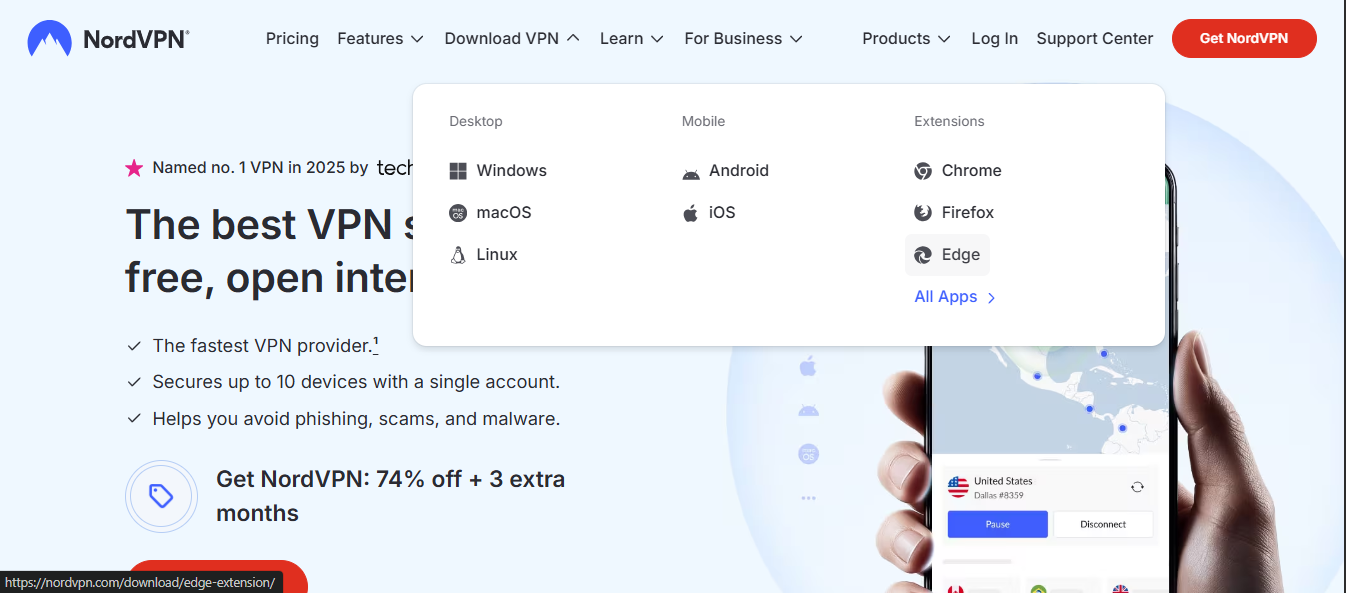
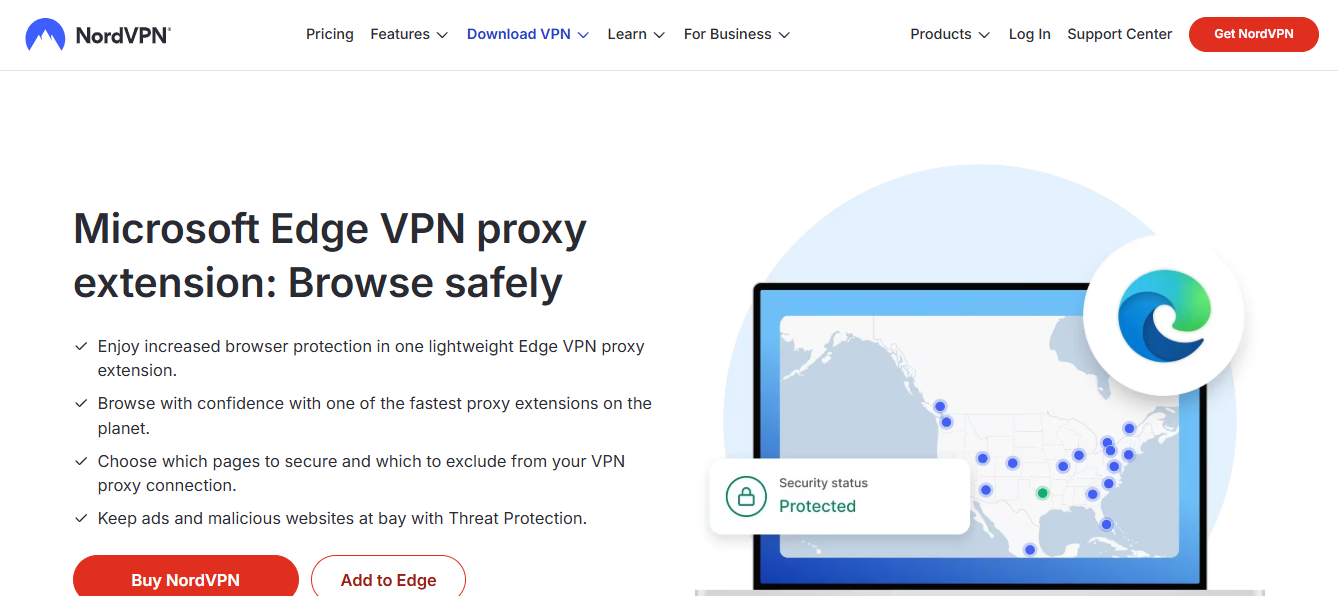
Open System Settings and look for VPN or the network settings. A provider’s app may manage the connection separately, so check the app if the system settings don’t show what you expect. NordVPN Extension for Edge: How to Install and Use It
Seeing a VPN profile in settings means the connection is configured. It does not necessarily mean it is currently connected. Confirm the status in the app or settings before relying on it.
If your VPN is missing or won’t connect
Start with simple checks before changing or deleting settings:
- Confirm that the VPN app is installed and that you’re signed in to the correct account.
- Check your internet connection by opening a website with the VPN disconnected.
- Try a different VPN server or location in the app.
- Close and reopen the app, then restart your device.
- Update the VPN app and your operating system.
- If prompted, allow the VPN configuration or connection permission. On managed work or school devices, ask IT before changing profiles.
A firewall, security app, restricted Wi-Fi network, expired subscription, or outdated profile can also prevent a connection. On public or workplace networks, sign in to the network’s access page first if required. Avoid removing a work or school VPN profile unless your IT team tells you to. You may need specific settings or credentials to restore it.
If you’re connected but a website still shows your usual region, disconnect and reconnect, choose another server, and check whether the app offers a setting that routes only selected apps or websites through the VPN. That feature is sometimes called split tunneling. Also remember that a VPN does not make you anonymous: websites may still recognize an account, cookies, or other identifying information. VPN Free Extension Edge: How to Choose One for Microsoft Edge
What to try if your VPN is missing or won’t connect
| Situation | First thing to try | Next step | When to contact support |
|---|---|---|---|
| App is hard to find | Search your device for the provider name | Check the app list or Applications folder | App is not listed |
| App is not installed | Check the official app store | Install the provider’s app | Installation fails |
| App won’t open | Close and reopen the app | Restart the device | App still won’t open |
| VPN says disconnected | Use the app’s Connect button | Check device VPN settings | Connection still fails |
| Connection keeps dropping | Try a different network | Reconnect in the app | Drops continue |
| VPN settings are unclear | Open network or VPN settings | Check the provider’s setup instructions | Settings are missing or unfamiliar |
| VPN location looks wrong | Check the selected server in the app | Reconnect to a preferred location | Location remains unexpected |
Compiled November 2026; check the provider's site for current details.
If you mean “Where does my VPN say I am?”
A VPN’s apparent online location is generally tied to the server you selected, not your physical location. For example, connecting to a server in another country may make your public IP address appear to come from that country. The VPN app typically names the selected location, while an IP lookup gives an estimate based on public IP-address data.
Those estimates can be inaccurate or out of date. Streaming services, search engines, and websites may also use account details, GPS permission, Wi-Fi information, or browser data to estimate your location. So an app showing a foreign server does not guarantee that every service will treat you as being there. Fortinet VPN: What It Is, How It Works, and How to Get Started
Recommendation
To find your VPN, search for its app and check the connection status. If it’s managed by your device or organization, look in network settings too. For the clearest confirmation, check the selected server in the app and compare your public IP address with the VPN on and off. If a work or school VPN is missing, contact its administrator before reinstalling or removing anything.