What VPN Should I Use? A Practical Guide to Choosing the Right VPN
Find the right VPN for privacy, streaming, travel, or everyday browsing with a clear checklist and comparison.
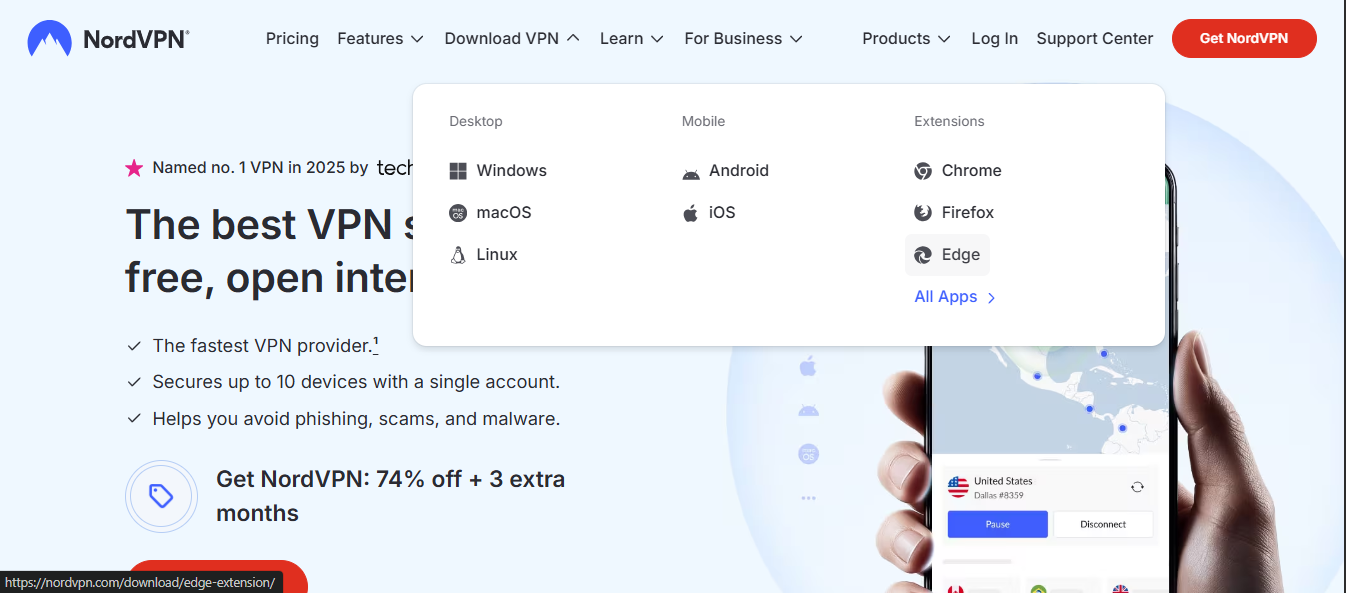
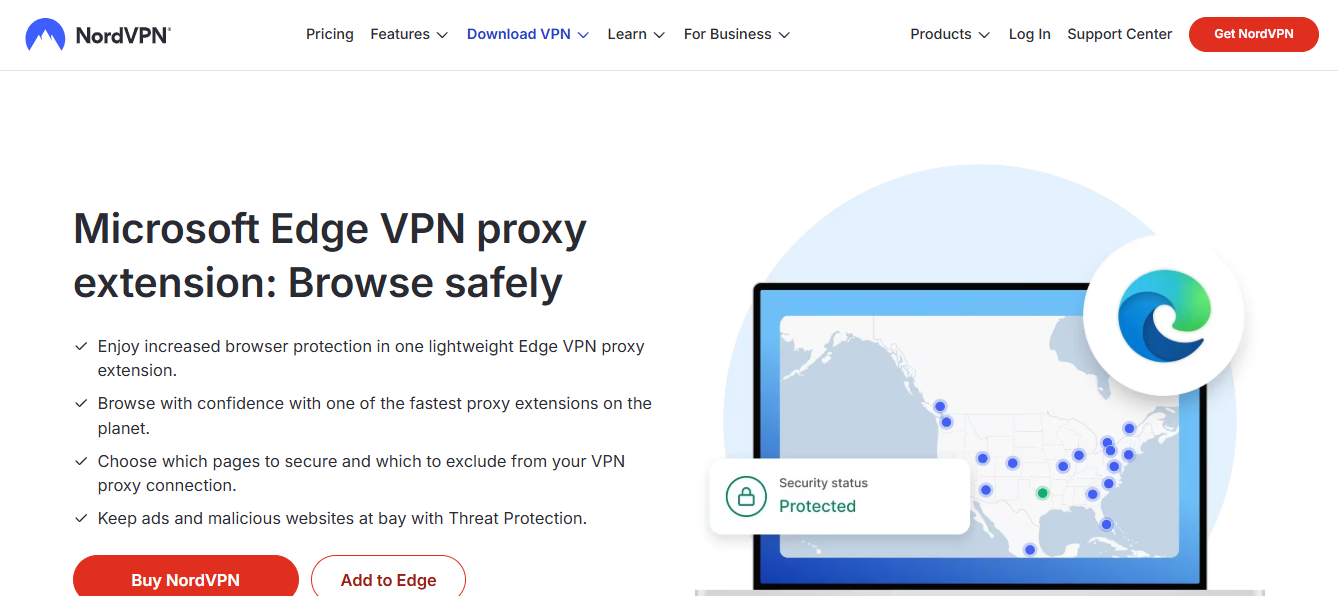
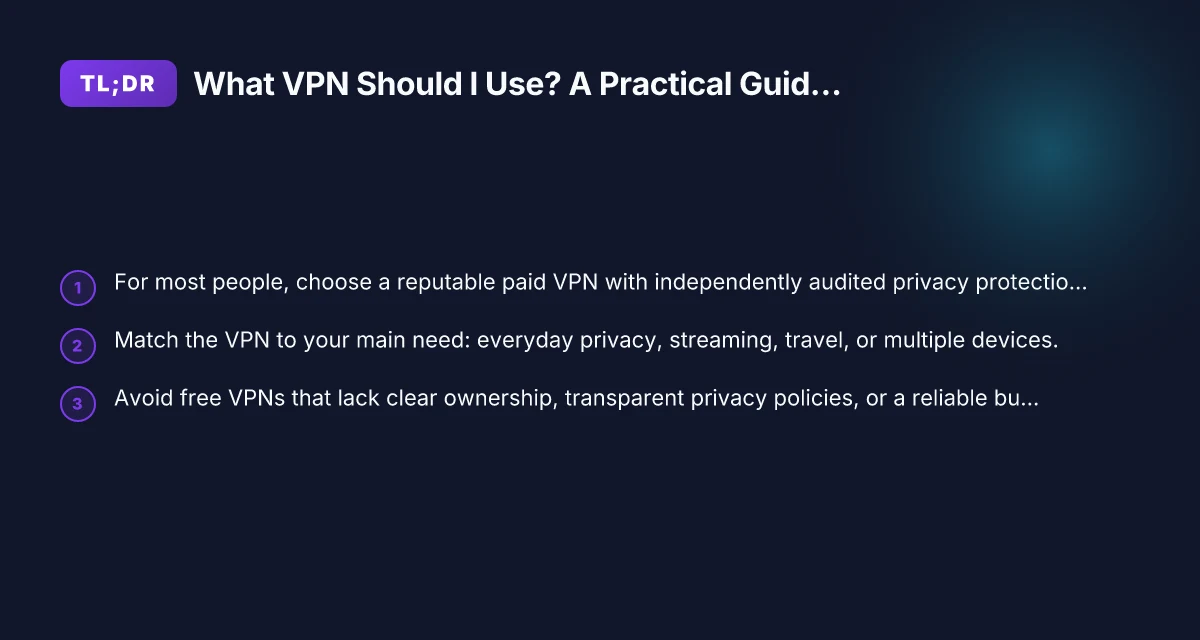
If you’re asking “what VPN should I use?”, choose a well-established paid service that has a clear no-logs policy, independent security audits, strong encryption, a kill switch, and apps for your devices. The best choice depends on why you need one: a frequent traveler may prioritize reliable connections and nearby servers, while someone who wants to stream may care more about speed and access to specific services. No VPN can guarantee complete anonymity or protect you from every online threat, so treat it as one part of your privacy toolkit.

Editor's pick: NordVPN — fast, secure VPN — Strong encryption, a no-logs policy and apps for every device. 30-day money-back guarantee. Get NordVPN →
Match your main VPN priority to the features to compare
| Priority | What to check | Useful features | Trade-off to consider |
|---|---|---|---|
| Everyday privacy | Privacy policy and logging | Clear, independently reviewed policy | Privacy claims can be hard to verify |
| Public Wi-Fi | Connection protection | Automatic protection on untrusted networks | Protection depends on correct settings |
| Streaming | Service and location support | Servers and apps that work with your services | Access can change over time |
| Travel | Availability where you go | Apps and connection options for your destinations | Some networks may restrict VPN traffic |
| Remote work | Compatibility and reliability | Support for work devices and required services | Check employer rules first |
| Multiple devices | Device and router support | Apps for your devices or router setup | Plans may limit simultaneous connections |
| Ease of use | App design and help | Simple setup, clear controls, responsive support | Advanced options may add complexity |
| Budget | Price and renewal terms | Transparent pricing and cancellation terms | Introductory prices may rise at renewal |
Compiled November 2026; check the provider's site for current details.
| VPN | Obfuscation | From / month | Plan | Free plan | Refund | Alipay | UnionPay | Crypto | Website opens in China | Trustpilot | |
|---|---|---|---|---|---|---|---|---|---|---|---|
 ZoogVPN | Turn on manually Shadow | $2.49/mo | 27 months: $59.99 | Yes | 7 days | ✓ | ✓ | ✓ | ✓ | Official site blocked; our special link opens (4.4 s) | 4.2/5 (195 reviews) |
 NordVPN | Turn on manually Obfuscated Servers / NordWhisper | $3.49/mo | 27 months: $94.23 | No | 30 days | ? | ✗ | ✓ | ✓ | ✗ Blocked | 4.2/5 (51,628 reviews) |
 ExpressVPN | ✓ On by default all servers | $3.00/mo | 28 months: $84 | No | 30 days | ✗ | ✗ | ✓ | ✗ | ✗ Blocked | 4.4/5 (29,706 reviews) |
 Surfshark | ✓ On by default Camouflage, with OpenVPN | See site | See site | No | 30 days | ✗ | ✗ | ✗ | ✓ | ✗ Blocked | 4.3/5 (31,823 reviews) |
 Proton VPN | Turn on manually Stealth, free plan too | $2.99/mo | 12 months: $35.88 | Yes | 30 days | ✗ | ✗ | ✗ | ✓ | ✗ Blocked | 2.1/5 (1,040 reviews) |
 Astrill VPN | Turn on manually StealthVPN / OpenWeb | $12.50/mo | 24 months: $300 | No | See site | ✗ | ✗ | ✗ | ✓ | ✗ Blocked | 1.3/5 (110 reviews) |
 Private Internet Access | Turn on manually Shadowsocks, OpenVPN only | $2.03/mo | 40 months: $81.2 | No | 30 days | ✗ | ✗ | ✗ | ✗ | ✗ Blocked | 4.2/5 (11,033 reviews) |
 CyberGhost | Turn on manually selected servers | $2.19/mo | 28 months: $61.32 | No | 45 days | ✗ | ✗ | ✗ | ✓ | ✗ Blocked | 4.0/5 (24,178 reviews) |
 PureVPN | Turn on manually switch to OpenVPN | $1.69/mo | 60 months: $101.55 | No | 31 days | ? | ? | ✗ | ✓ | ✗ Blocked | 4.4/5 (17,994 reviews) |
 AdGuard VPN | ✓ On by default TrustTunnel | $2.99/mo | 24 months: $71.76 | Yes | 30 days | ✓ | ✗ | ✓ | ✓ | Official site blocked; our special link opens (3.7 s) | 4.3/5 (290 reviews) |
 Mullvad | Turn on manually QUIC / Shadowsocks / LWO | $5.61/mo | €5/mo | No | 14 days | ✗ | ✗ | ✗ | ✓ | ✗ Blocked | 3.2/5 (192 reviews) |
 Windscribe | Turn on manually Stealth / WStunnel | $5.75/mo | 12 months: $69 | Yes | See site | ✗ | ✗ | ✗ | ✓ | ✗ Blocked | 4.7/5 (13,355 reviews) |
 StrongVPN | Turn on manually Scramble, OpenVPN TCP | See site | See site | No | 30 days | ✓ | ✗ | ✗ | ✗ | ✗ Blocked | 4.4/5 (2,695 reviews) |
 LightXtreme 闪连 | Not listed | $7.08/mo | 12 months: $84.99 | Yes | 30 days | ✓ | ✓ | ✓ | ✓ | ✓ Yes (3.5 s) | No page |
Prices checked 2026-11-10 on each vendor's pricing page (cheapest long plan, USD). Check the vendor's checkout for the final price.
Obfuscation checked 2026-11-14 on each vendor's site and help center: "on by default" = nothing to set; "turn on manually" = switch protocol or mode in settings; "not listed" = the vendor describes no obfuscation.
Payment methods checked 2026-11-10 on each vendor's payment pages: all 14 take cards and PayPal; ✗ = not listed, ? = the vendor's own pages disagree.
China access: whether the official website opens from mainland China networks (tests the website only, not the VPN connection). Last checked 2026-11-18 01:02 Beijing time.
Trustpilot score and review count checked 2026-11-10.
Start with what you want a VPN to do
A virtual private network (VPN) encrypts traffic between your device and a VPN server. This can make it harder for people on the same public Wi-Fi network to inspect your connection and can hide your IP address from websites you visit. Your internet provider will generally see that you’re connected to a VPN, though not the websites’ contents when your traffic is properly encrypted.
A VPN does not make you invisible online. Websites can still identify you through account logins, cookies, browser fingerprinting, and other tracking methods. It also won’t reliably stop phishing, malware, or scams.
Pick your main use before comparing providers:
- Everyday privacy: Look for a trustworthy company, audited apps, and a strong track record.
- Public Wi-Fi and travel: Prioritize stable apps, a kill switch, and servers in the regions you visit.
- Streaming: Check whether the provider supports your services and devices. Access can change over time.
- Remote work: Use your employer’s approved VPN rather than choosing a personal service for work systems.
- Sensitive or high-risk activity: A commercial VPN may not be enough. Consider your threat model and seek specialized digital-security advice.
What to look for in a VPN
A polished app and a large server count are not proof of good privacy. Focus on features you can verify and understand. Best Free VPN for Microsoft Edge: Safe, Practical Options
- A clear privacy policy: It should explain what information is collected, why, and how long it is kept. “No logs” is a claim, not a guarantee.
- Independent audits: Look for recent assessments of the provider’s privacy claims, apps, or infrastructure. Check what the audit actually covered.
- Modern protocols and encryption: Reputable services commonly support WireGuard and OpenVPN. Avoid providers that are vague about their security technology.
- A kill switch: This can block internet traffic if the VPN connection drops, reducing the risk of accidentally exposing your regular IP address.
- Leak protection: Check for safeguards against DNS and IP leaks. You can test your connection, but a test is only a snapshot, not a full security certification.
- Device support: Make sure the service has usable apps for your phone, computer, and other devices. Review simultaneous connection limits if you have a busy household.
- Transparent ownership and pricing: Find out who runs the company, how renewals work, and whether the price rises after an introductory term.
Compare services by your priorities
There isn’t one best VPN for everyone. Use this comparison to identify the features that matter most before checking current plans and independent reviews.
| Your priority | Look for | Check before subscribing |
|---|---|---|
| Everyday privacy | Audited privacy practices, kill switch, clear ownership | Audit scope, policy details, renewal price |
| Travel and public Wi-Fi | Reliable apps, nearby and destination-country servers | Performance where you travel, mobile features |
| Streaming | Good speeds, easy-to-use apps, suitable device support | Whether your service currently works with the VPN |
| Multiple devices | Broad platform support, generous connection limit | Router support and any device restrictions |
| Low cost | Reasonable long-term price and a transparent refund policy | Introductory pricing, auto-renewal, cancellation steps |
When considering a specific provider, compare more than advertised speed or the number of servers. Server locations and streaming access can change, and results vary with your internet connection, distance, time of day, and device. A trial or refund period can help you test whether a service works for your actual routine.
Are free VPNs safe to use?
Some free VPNs are legitimate, but free services often impose limits on data, speed, locations, or features. More importantly, running a VPN costs money. If a provider does not charge users, look closely at how it earns revenue and what data it collects.
Be cautious of services with unclear ownership, broad permission requests, intrusive advertising, or privacy policies that allow extensive data sharing. Don’t assume a free app is safe just because it appears in an app store or has many downloads. Why Doesn’t ThisVid Work With VPN? Common Causes and Fixes
A free VPN may be suitable for occasional, low-stakes use if the provider is transparent and its limitations are acceptable. For regular use, a reputable paid plan is often easier to assess. Avoid using an unverified VPN for banking, sensitive work, or activities where a data leak could put you at risk.
Free VPN safety and setup checklist
| Check | Safer sign | Caution sign | What to do |
|---|---|---|---|
| Provider identity | Clear company and contact details | Unknown operator | Research the provider |
| Privacy policy | Explains data collection plainly | Vague or missing policy | Avoid unclear services |
| Business model | Funding is explained | Unclear how the service earns money | Check for ads or data use |
| App source | Official app store or provider site | Unverified download | Install only from trusted sources |
| Permissions | Relevant to VPN functions | Requests unrelated access | Review and limit permissions |
| Connection behavior | VPN status is visible | Connection drops without notice | Enable available protection settings |
| Performance | Works for your intended use | Frequent failures or restrictions | Test before relying on it |
| After setup | Your usual sites and apps work | Traffic behaves unexpectedly | Disconnect and troubleshoot |
Compiled November 2026; check the provider's site for current details.
Common mistakes to avoid
- Choosing by server count alone: A large network does not prove that a service is private or reliable.
- Assuming “no logs” means total anonymity: Your accounts and browsing habits can still identify you.
- Using a VPN as antivirus software: A VPN encrypts a connection. It does not replace updates, malware protection, or careful clicking.
- Leaving the kill switch off: If you rely on the VPN for privacy, enable the kill switch and check its settings.
- Ignoring subscriptions: Review the full renewal price, cancellation process, and refund terms before paying.
- Trusting every location claim: A server’s advertised country does not always tell you exactly where its hardware is located or how traffic is routed.
How to set up and test your choice
Download the VPN app from the provider’s official website or a trusted app store. Install updates, choose a secure protocol such as WireGuard or OpenVPN when available, and enable the kill switch and leak protection. Use a nearby server for ordinary browsing unless you have a specific reason to connect elsewhere. What Is an Obfuscated VPN? How It Works and When to Use One
After connecting, check that the app reports an active VPN connection and use a reputable IP or DNS leak test. Repeat the check after switching networks or reconnecting. If the service is slow, try another nearby server and compare performance with the VPN off. Some speed reduction is normal because your traffic takes an additional route.
Final recommendation
For most people, use a reputable paid VPN with a transparent privacy policy, recent independent audits, a kill switch, and apps for all your devices. Choose based on your main need, test it during the refund period, and cancel if the performance or privacy information doesn’t meet your expectations. A VPN is useful for protecting some aspects of your connection, but it works best alongside strong passwords, multifactor authentication, updated software, and sensible browsing habits.